Potchke Deli
Funky Nostalgia, Fussed-Up Matzoh Ball Soup, and South Beach Energy: The Ups and Downs of Knoxville's Potchke Deli
In Yiddish, potchke means to tinker, to mess around, to fuss over details especially in the kitchen. It's an apt name for Potchke Deli, a vibrant, untraditional Jewish-style deli in downtown Knoxville.
Owned by husband and wife Laurence Faber and Emily Williams, Faber worked his way from humble cook to Executive Pastry Chef at Blackberry Farm, while Williams cooked at Altruda's, Emilia, and J.C. Holdway. When the pandemic hit, Williams started baking sourdough and Jewish pastries at home, working through Uri Scheft's Breaking Breads cookbook one recipe at a time and posting the results to an Instagram account called Lesser Babka. Faber left Blackberry Farm in January 2021 to chase the idea full time, and that August the two of them set off for Ukraine, researching the region's food traditions and culinary techniques, while connecting with Faber's Jewish roots.
They arrived home full of ideas, and Potchke Deli was born, almost by accident. The six-month pop-up was only ever meant to make some money and give them room while they worked toward opening a proper dinner restaurant. Instead, it grew into one of downtown Knoxville's most talked-about restaurants, serving Ashkenazi comfort food completely reinvented.
Golden Girls Glow and a Few Growing Pains
Step inside and the aesthetic is a colorful, feel-good trip that has nothing to do with a somber nod to the old country. The visual branding pulls from neon pastels and plaid tablecloths, more Golden Girls-era Miami retirement community than the flashy scene you'd find today. The menus themselves are light pastel with an art deco revival flair, printed in retro fonts to match the kitschy interior, where a steady stream of 90s and early 2000s music blasts through the air. The space itself is spacious and welcoming, with comfortable armchair seating by a fireplace that practically begs remote workers to set up a laptop or close friends to settle in for a long coffee klatch. It's nostalgia built for millennials, and the concept has been so well received that Faber and Williams have since expanded to open a dedicated bagel shop too.
Yet, while Potchke's culinary imagination and design sense are undeniable, a casual lunch run reveals a concept still working out its service kinks. Potchke operates as a standard counter-service model: walk in, stand in a line that can snake to the door during peak hours, place your order, and grab a table. It almost reminds you of a cafeteria, just a little cooler than the one from your school days. But the setup creates real confusion for guests. The space's cozy layout encourages lingering, a natural complement to the counter-service model. But counter-service also means self-bussing: guests are supposed to carry their own dishes and trash to bins on either side of the restaurant when they are done. The trouble is that staff sometimes bus tables themselves too, so guests can’t quite tell which system is actually in play. The result is exactly what you'd expect: tables sit dirty long after guests leave, while staff walks right past them.
During a recent visit, staff stood by several messy, abandoned tables while new guests actively searched for a place to sit. Diners eventually had to bus the previous guests' dirty dishes themselves just to secure a spot, while employees watched without stepping in to help. The front-of-house workflow struggles with basic execution too: orders frequently arrive missing items, requiring guests to return to the counter and ask about their food. The team is universally polite, courteous, and quick to fix mistakes, but the hospitality lacks the essential proactive touch. A simple table check-in from staff walking the floor would go a long way toward smoothing out some of the operational wrinkles.
The Food: Exceptional Bread and Fussed-Up Classics
The food at Potchke Deli is excellent. Even when service failures occur, the kitchen is able to redeem the experience. It took some time to get there, though. When Potchke first opened, it kept a strictly kosher menu, offering only vegetarian, dairy, and fish options — never mixing meat with dairy, in keeping with traditional practice. But that purist vision didn't stand a chance against Knoxville's appetite for pastrami. Faber and Williams caved to the non-stop requests, tucking a "secret menu" of meat options into a faint, easy-to-miss font on the back of the bi-fold paper menu.
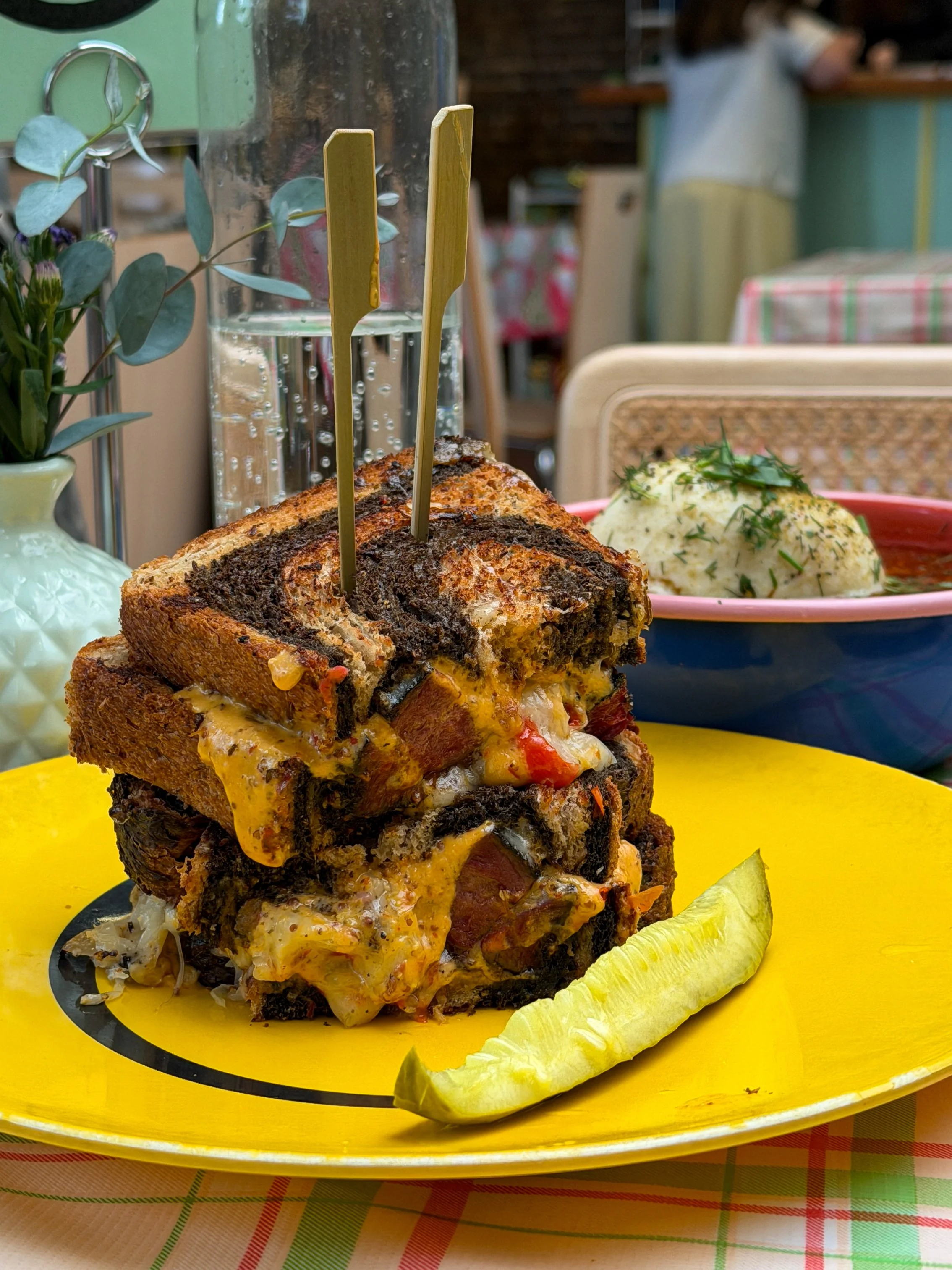
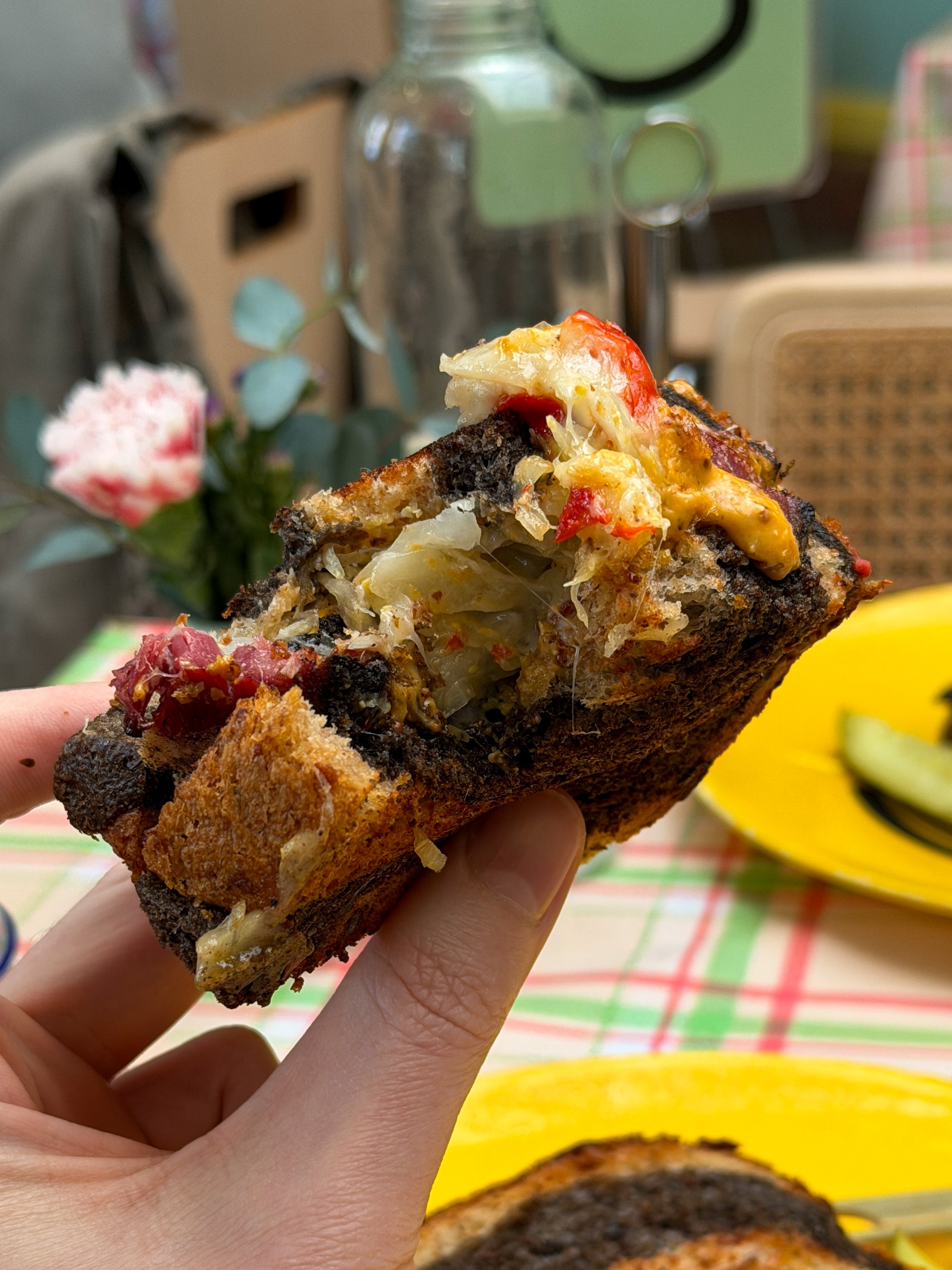
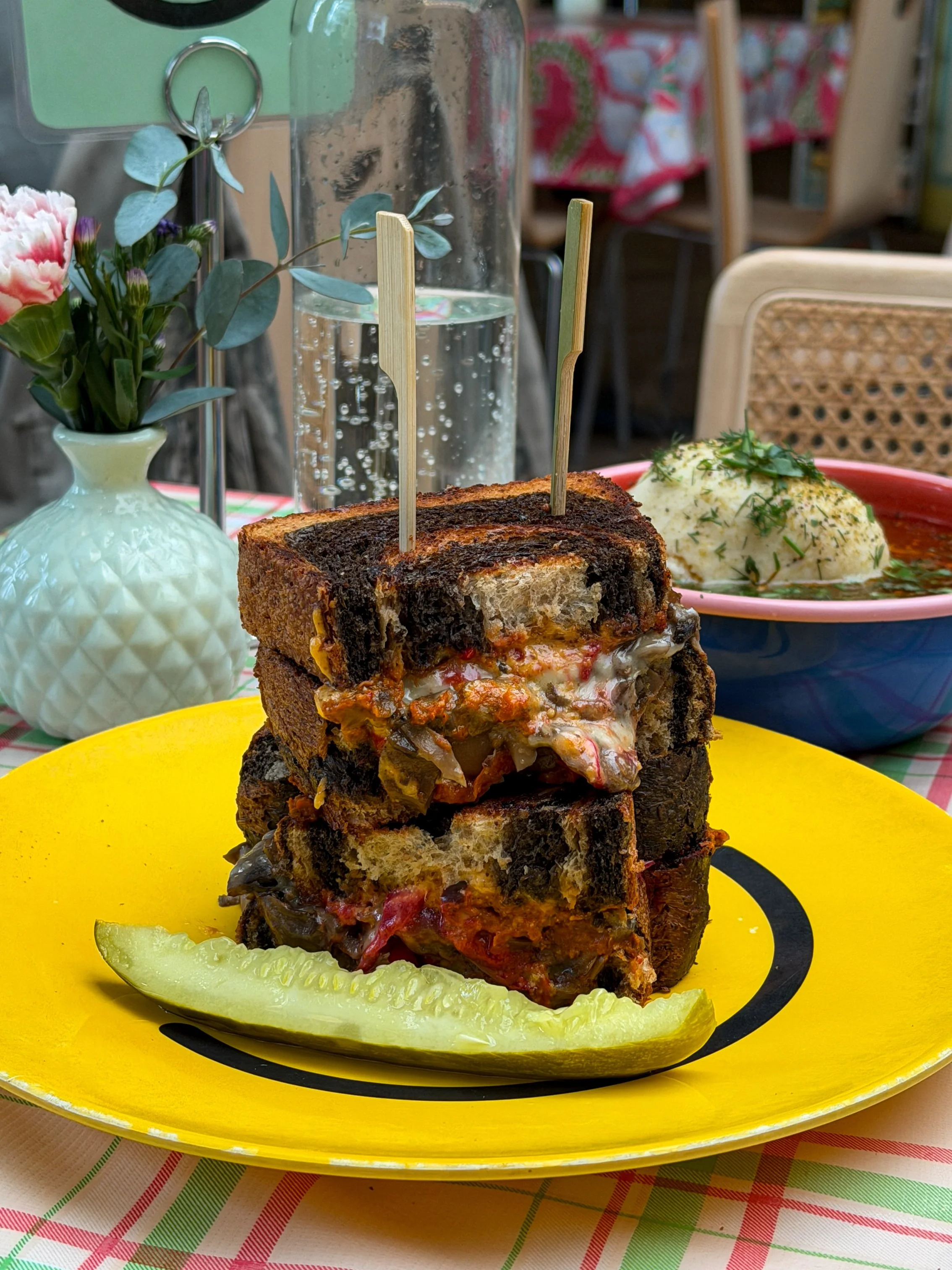
No longer a secret, the Pastrami Reuben has been added prominently to the menu, and if you look around the dining room on any given afternoon, it's clearly their most popular item. It starts with their house-made marble rye. Thick-cut, fluffy, and lightly toasted, it delivers a perfect, slightly crisp exterior bite without sacrificing its pillowy interior texture. Loaded with a quarter-pound of incredibly thick-cut pastrami, molten Swiss cheese, sauerkraut, sweet peppadew peppers, and a house Russian-style dressing kicked up with a welcome hint of heat, it's an intensely flavorful, deeply filling bite. The only flaw lies in the construction: the thick pastrami is cut and layered unevenly, so the meat-to-topping ratio varies wildly, leaving some bites completely devoid of pastrami. If you'd rather keep kosher, the Mushroom Melt is a vegetarian version that stands shoulder-to-shoulder with its meat-heavy counterpart. It combines slow-cooked mushrooms carrying a remarkably meaty texture with caramelized onions, sweet peppadew peppers, a fiery red zhug for heat, plant-based Swiss cheese, and a crisp slaw. The plant-based cheese is so convincingly rich you'd never guess it was vegan, and the balance of sweet onions against the spicy zhug is spectacular. That's just the start of the menu, though. Potchke also serves a trout salad piled onto house-made challah, a whitefish bialy, and lox, along with a turkey melt and a potato blintz for those craving something different.
The crown jewel of the menu is the matzoh ball soup, ordered "fussed up". The kitchen builds the bowl by taking a traditional, slow-simmered broth and spiking it with punchy chili crisp, amba sauce (a tangy, spiced pickled mango sauce), and a mountain of fresh extra herbs. At the center of it all sits the matzoh ball itself, enormous, but light, and perfectly tender. Even against all that added richness, the broth still achieves a spectacular layering of flavor, winning over even strict dill-haters with its clean balance. And running through every spoonful, the chili crisp adds a gorgeous heat that leans heavily into a bold, peppery finish. The only minor critique is the ingredient distribution: the bowl leans roughly 60 percent broth, 30 percent matzoh ball, and only 10 percent actual chicken and vegetables. Given how delicious those small morsels of chicken and vegetables are, the bowl begs for a more generous handful.
In addition to the everyday menu, Potchke also keeps a small selection of pastries in the case, available only until they sell out. Look for things like an apple and pecan coffee cake, a classic rugelach made with black lime, pineapple, and walnuts, and a variety of babka flavors, like cinnamon, and a special monthly flavor, such as pb&j, peaches and cream, or pistachio and rose. Baked fresh daily alongside Potchke’s signature bialys, the chocolate babka carries a lovely, restrained chocolate flavor that avoids cloying sweetness, rounded out by excellent caramelization on the outer crust. Texturally, it veers away from the traditional, dense, bready structure familiar to New York purists, behaving much more like a hybrid between a cinnamon roll and a morning bun. These days, though, you can also order a classic cinnamon or chocolate babka loaf instead of the roll.
The Beverage Program: A Creative Concept Missing the Mark
In keeping with the vintage nostalgia, the drink program offers espresso-based drinks alongside old-school New York soda shop staples, like house-made egg creams and seltzer to order. The concepts are wonderfully whimsical; however, the execution misses the mark. The Five-Cent Seltzer is an amazing nod to the classic "two-cent plain" of old-world delis, but it tastes simply like carbonated tap water. That wouldn't be a problem if it had a clean, neutral taste, but instead it carries an earthy, almost metallic edge — the deli would benefit immensely from a stronger filtration system, or simply from offering high-quality bottled seltzer as an alternative. The Chocolate Egg Cream suffers a similar fate. Prepared properly, an egg cream is a magical, frothy elixir that's fizzy yet rich, creamy, and anchored by dark chocolate. Potchke's rendition tasted disappointingly thin, mimicking hot cocoa mix made with carbonated water rather than milk. It lacks any semblance of richness, and the chocolate flavor lands completely flat.
Final Verdict
A visit to Potchke Deli comes with real highs and lows. There's genuinely nothing else quite like it in Knoxville: Faber and Williams have taken generational Ashkenazi recipes and given them a playful twist; the results are largely excellent, often downright inventive. The fussed-up matzoh ball soup alone justifies a special trip, and that's before you get to the sandwiches.
But the highs come tangled up with real flaws. Front-of-house execution lags well behind what the kitchen is capable of, tables sit uncleared longer than they should, and the soda fountain doesn't live up to the nostalgia it's chasing. Go anyway, order the soup fussed up, and settle into that Golden Girls glow with a little patience for the rough edges, because what Potchke gets right, it gets memorably right.